Leather Texture Backgrounds: Elevate Your Digital and Print Projects
The Timeless Appeal of a Leather Look
There’s a reason leather has been a symbol of quality and sophistication for centuries. It speaks of durability, craftsmanship, and a certain rugged elegance. Translating that feeling into a digital asset is where leather texture backgrounds come in. These aren’t just simple images; they are carefully crafted design assets that bring a tangible sense of depth and richness to any project. The visual personality is unmistakable—subtle grain variations, soft shadows that mimic worn edges, and a palette that can range from the warm, honeyed tones of aged hide to the deep, dramatic blacks of polished leather. This style immediately adds a layer of perceived value and authenticity, making it a powerful tool in your creative arsenal.
Think about the projects where first impressions are everything. A digital journal cover, a wedding invitation, a social media graphic for a boutique brand, or the packaging for a handmade product. These are scenarios where a flat, single-color background often falls short. A leather texture background provides an instant foundation of character. It doesn’t scream for attention, but it confidently supports the content placed on top of it, creating a harmonious and professional visual hierarchy. The style is versatile enough to feel rustic for a farmhouse aesthetic or sleek and modern for a corporate presentation, depending on the color and finish.
Practical Applications for Creators and Businesses
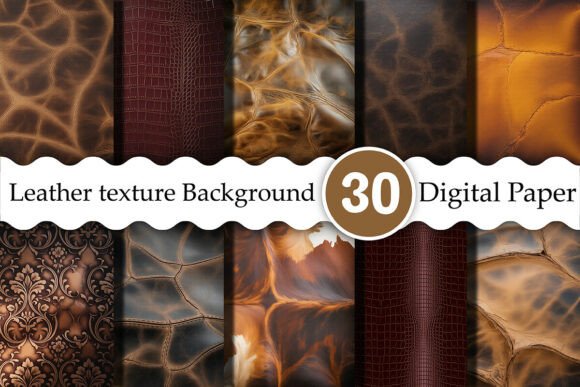
The true strength of a comprehensive leather texture backgrounds collection lies in its sheer utility. For designers and small business owners, having a library of 30 high-resolution, 12x12 inch PNG files at 300 DPI is like having a versatile toolkit ready for any job. Let’s break down where these assets truly shine.
For sublimation and print-on-demand businesses, the quality of the source file is non-negotiable. These backgrounds are built for it. The high resolution ensures that when transferred onto a t-shirt, a mug, or a notebook cover, the texture remains crisp and detailed without any pixelation or banding. The 12x12 inch square format is a standard workhorse for many digital crafting platforms like Canva or Silhouette Studio, making integration seamless. You can quickly mock up product lines for journals, planners, or invitations, giving clients a realistic preview of the final product’s tactile quality.
In the realm of digital journaling and scrapbooking, these textures are a game-changer. A digital journal paper with a leather background instantly elevates the entire aesthetic of the planner. It moves the experience from a purely functional grid to something that feels personal and curated. For scrapbooking, they serve as a perfect backdrop for photos and memorabilia, adding a cohesive, artisanal feel to both digital and printed pages. The same applies to creating printable wall art or framed quotes—the background adds substance and prevents the design from looking cheap or overly simplistic.
For branding and marketing, the influence on brand perception is significant. A logo design or brand identity system that incorporates a leather texture element communicates durability, tradition, and premium quality. This is particularly effective for brands in the artisanal food, craft beverage, men’s grooming, luxury goods, or boutique service industries. Using these textures in social media graphics, website headers, or email newsletter banners creates a consistent and recognizable visual language that builds trust and recognition with your audience.
Integrating Leather Textures into Your Design Workflow
Simply having a great asset isn’t enough; knowing how to use it effectively is what separates good design from great design. When working with leather texture backgrounds, your choice of typography is paramount. The texture itself has a strong personality, so you need typefaces that can either complement or create a compelling contrast.
A serif font with elegant, traditional letterforms often pairs beautifully, enhancing the classic, authoritative feel of the leather. Think of a high-end restaurant menu or a classic book cover. On the other hand, a clean, geometric sans serif font can create a stunning modern contrast, making the texture feel more contemporary and accessible—ideal for a tech company’s presentation or a minimalist brand’s social media post. For projects that require a personal touch, like invitations or quotes, a well-chosen script font or handwritten font can add warmth and authenticity, as if the message were penned directly onto the material.
Always consider readability and visual hierarchy. The texture should enhance, not overwhelm. Use it strategically as a background for key sections, or apply it with a subtle overlay or reduced opacity to ensure your headline and body text remain crystal clear. When evaluating the collection, look for variety in grain, lighting direction, and color. A set that includes both warm and cool tones, as well as distressed and pristine finishes, will give you the flexibility to adapt to any project’s mood. Before finalizing a design, test how the background prints. Do a small test print to check if the texture’s details translate well onto your chosen paper or material.
Finally, understand the licensing. A commercial font or asset license typically allows you to use the files in end products for sale, which is crucial for entrepreneurs and designers creating products for clients or their own shops. The value of this premium font and asset bundle isn’t just in the files themselves, but in the time it saves you and the professional edge it provides. It’s a design investment that pays for itself in elevated projects and satisfied clients. By thoughtfully integrating these leather texture backgrounds, you’re not just adding a surface; you’re adding a story, a feeling, and a layer of undeniable quality to your work.