Exploring Native American Pattern Backgrounds 2
When you're working on a project that needs to convey depth, heritage, and a strong visual statement, standard stock textures often fall short. That’s where Native American Pattern Backgrounds 2 enters the conversation. It isn’t just a collection of digital files; it’s a curated set of design assets rooted in the rich artistic traditions of Indigenous cultures. For designers, marketers, and creators, these patterns offer a bridge between ancient craftsmanship and modern digital application, providing a texture that feels organic, grounded, and incredibly detailed.
The Visual Character and Versatility of Native American Pattern Backgrounds 2
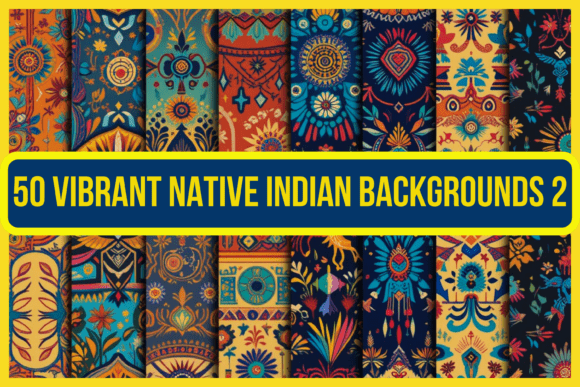
What makes this specific collection stand out is its balance between complexity and usability. The visual language here is defined by intricate geometric arrangements—think sharp angles, repeating diamonds, zigzags, and totemic motifs. Unlike generic "tribal" prints that often lack authenticity, these backgrounds draw from the specific visual dialects found in traditional textiles, beadwork, and pottery. The "2" in the title suggests an evolution or a second volume, implying a refined selection of designs that build upon the classics with perhaps more variety in density and layout.
The personality of Native American Pattern Backgrounds 2 is bold yet earthy. It doesn't scream for attention with neon colors; instead, it commands respect through structural integrity and color palettes that mirror the natural world. You’ll find traditional earth tones—rusts, deep browns, turquoise, and slate grays—mixed with stark blacks and whites. These aren't just colors; they are representations of the land, sky, and water, adding a layer of storytelling to whatever they touch. This makes the collection incredibly versatile for brands aiming for an organic or "earthy" feel without looking sterile or overly corporate.
Because these assets are available in high-quality PNG and SVG formats, they function differently than a standard display font. While a typeface handles the text, these backgrounds handle the atmosphere. The SVG format is particularly useful for web design and packaging design because it allows for infinite scaling without pixelation. Whether you are printing a massive trade show banner or designing a small icon for a mobile app, the mathematical precision of the geometric vectors remains crisp. This scalability is a technical advantage that many standard raster textures lack.
Strategic Applications: From Brand Identity to Digital Interfaces
Understanding where to deploy Native American Pattern Backgrounds 2 is just as important as the design itself. In the realm of brand identity, these patterns are powerful tools for differentiation. A coffee roaster, an outdoor adventure company, or an artisanal goods store could use these motifs to instantly communicate a connection to nature and tradition. However, context is king. In logo design, these patterns work best as supporting elements—perhaps a subtle texture inside a letterform or a border around a logo lockup—rather than the primary focus, which might risk clutter.
For editorial design and publishing, these backgrounds offer a way to frame content without distracting from it. Imagine a magazine spread about sustainable living or a book cover for a historical novel; the geometric symmetry provides a stable visual foundation. In social media graphics, where the scroll speed is fast, a bold pattern can stop the thumb. Using a snippet of a pattern as a background for a quote card or a sale announcement adds a level of professionalism that a solid color block cannot match.
It is crucial, however, to consider visual hierarchy. Because these backgrounds are detailed, they can compete with text. If you are using Native American Pattern Backgrounds 2 behind a headline, you need to ensure high contrast. This might mean using a bold sans serif font for your headers to cut through the visual noise, or applying a semi-transparent overlay to mute the pattern slightly. The goal is to use the pattern to enhance readability by setting a mood, not to obscure the message. For body text, it is rarely advisable to place long paragraphs over a busy geometric pattern; instead, use the pattern for headers, footers, or sidebars.
Practical Integration and Ethical Considerations
When integrating these assets into your workflow, font pairing becomes a vital exercise. Since the patterns are geometric and often angular, they pair surprisingly well with clean, modern typography. A sleek premium font with a minimalist structure can provide a necessary "resting place" for the eye amidst the complexity of the pattern. Conversely, pairing these backgrounds with a rustic script font or a handwritten font can amplify the "artisanal" or "handcrafted" vibe, which is excellent for packaging design for organic foods or handmade goods.
From a technical standpoint, utilizing the PNG versions is ideal for quick mockups or when using software that doesn't handle vector paths well, such as basic photo editors. However, for any serious commercial work—especially print design—the SVG or vector versions are superior. They allow you to manipulate the individual nodes of the design, change colors to match specific brand guidelines, or clip the pattern into unique shapes. This level of customization is what separates amateur design from professional creative font and asset usage.
Finally, we must address the cultural weight of these designs. Using Native American Pattern Backgrounds 2 requires a degree of sensitivity and research. While these are sold as commercial font assets and design resources, the motifs originate from specific cultural heritages. Best practice in the design community suggests avoiding the use of such patterns in a way that mocks or trivializes the culture. Instead, use them to evoke respect for craftsmanship and history. Ensure your commercial licensing is in order, but also ensure your usage aligns with a narrative of appreciation rather than appropriation. By treating these patterns with the gravity they deserve, you not only elevate your design but also honor the artistic legacy they represent.